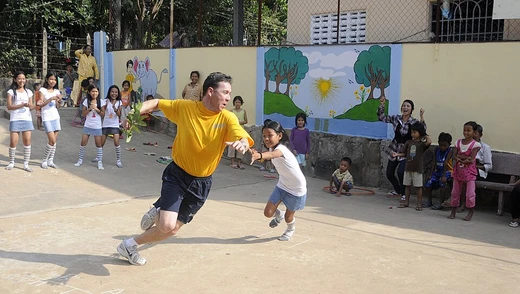
Piñata
A decorated container broken for treats at celebrations.

Paricutina · CC BY 4.0
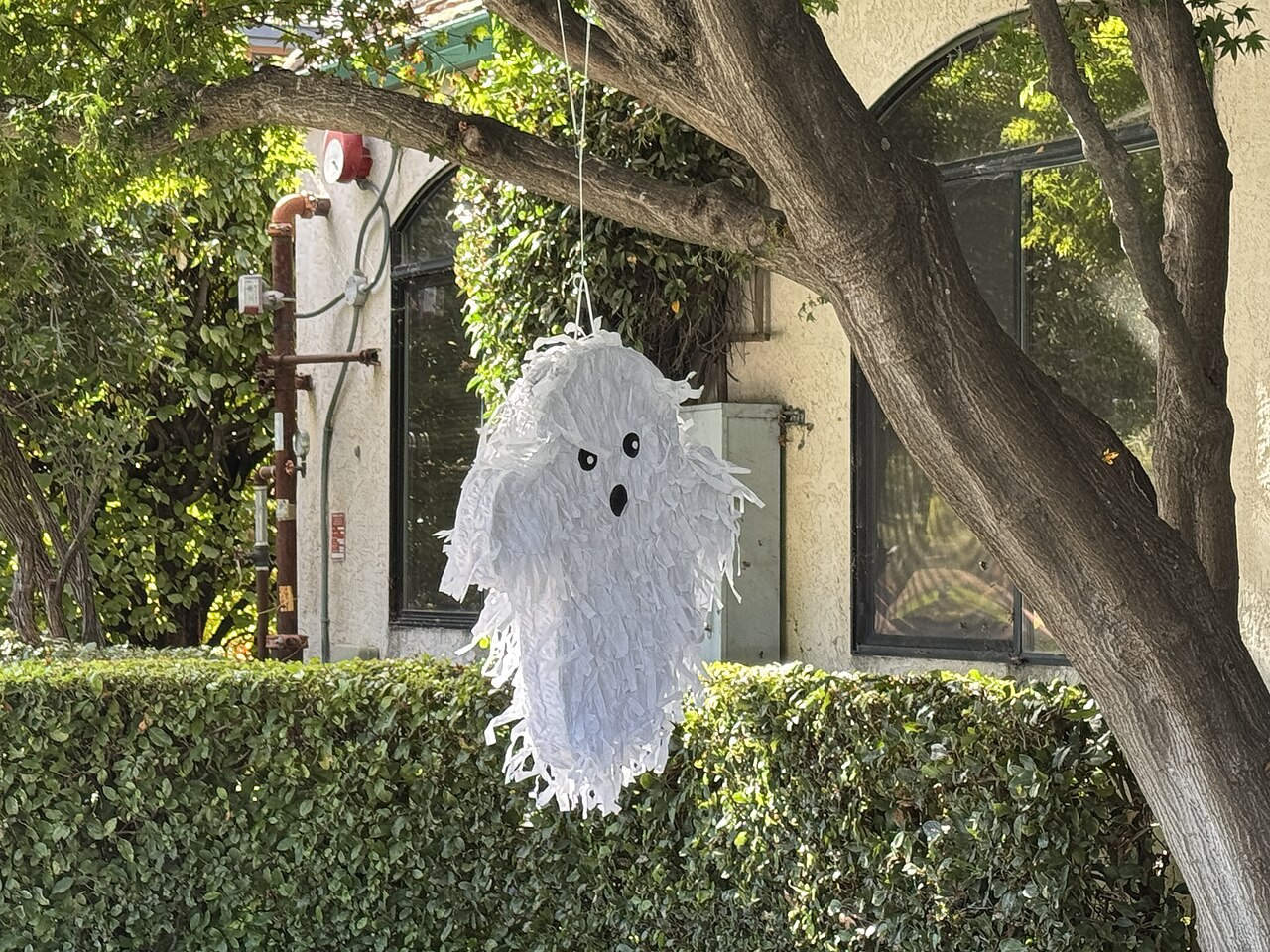
A piñata is a decorated container, often made of papier-mâché, pottery, or cloth, filled with candy and broken as part of a celebration. It is most strongly associated with Mexico, though its origins trace back to Chinese New Year traditions and later to 14th-century Europe, where it became linked to Christian Lent. The Spanish brought the tradition to Mexico in the 16th century, where it merged with existing Mesoamerican customs, such as the Aztec ceremony honoring the god Huitzilopochtli. Today, the piñata is a popular party element in Mexico, other Latin American countries, and the United States, having largely lost its religious character.
- origin
- China (debated); later Europe and Mexico
- associated celebration
- Las Posadas (December); also birthday parties
- traditional material
- clay pot; later papier-mâché and cardboard
- common fillings
- fruit, candies, sugar cane, tejocotes
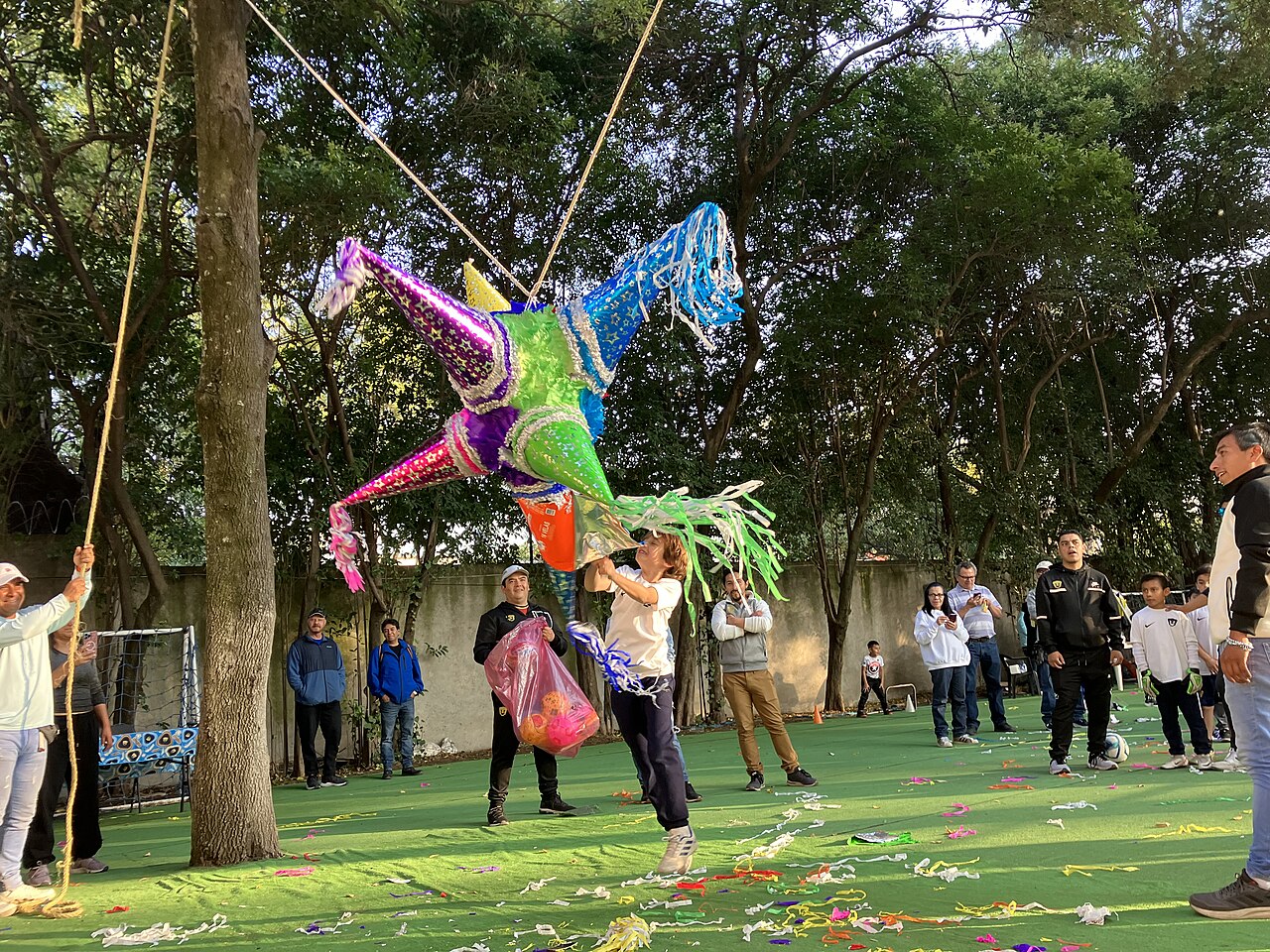
- symbolic points (traditional star)
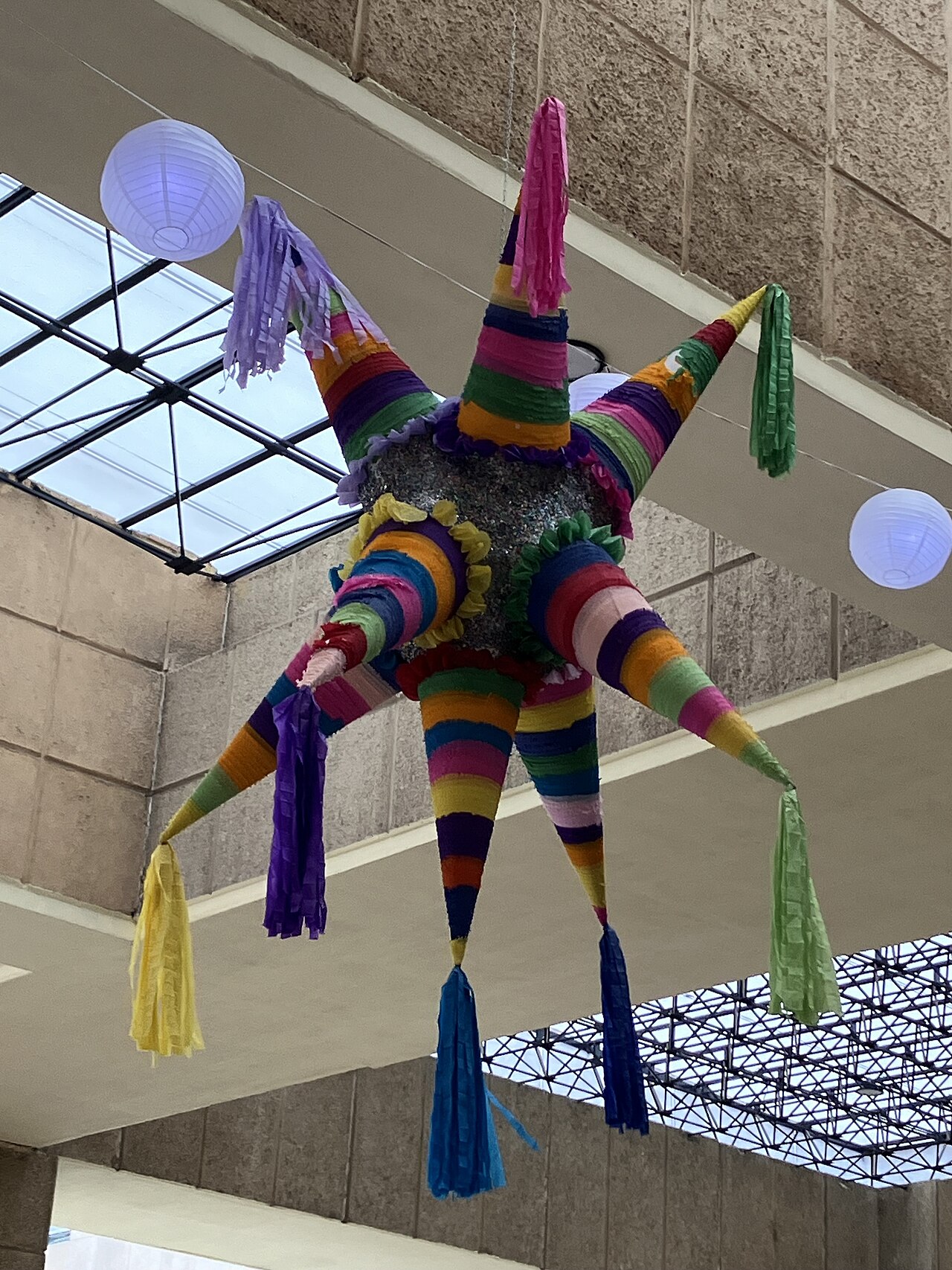
- seven points representing seven deadly sins
Lore & Background
The piñata's history is debated, but it appears to have originated in China, where a cow- or ox-shaped container filled with five types of seeds was broken during New Year celebrations. The tradition reached Europe in the 14th century, where it became associated with Lent; in Spain, the First Sunday of Lent was called 'Piñata Sunday' and featured a dance. The Spanish word likely derives from Italian pignatta ('fragile pot') or Spanish piña ('pinecone'). The Spanish brought the tradition to Mexico in the 16th century, where Augustinian monks in Acolman modified it for catechism and to co-opt the Aztec celebration of Huitzilopochtli's birthday in mid-December. The Mexican Catholic interpretation assigned meanings: the seven points represent the seven deadly sins, the pot represents evil, and the treats inside represent temptations. The blindfold represents faith, and the turning represents disorientation from temptation. Some traditions spin the participant thirty-three times, one for each year of Christ's life.
Reader's Guide
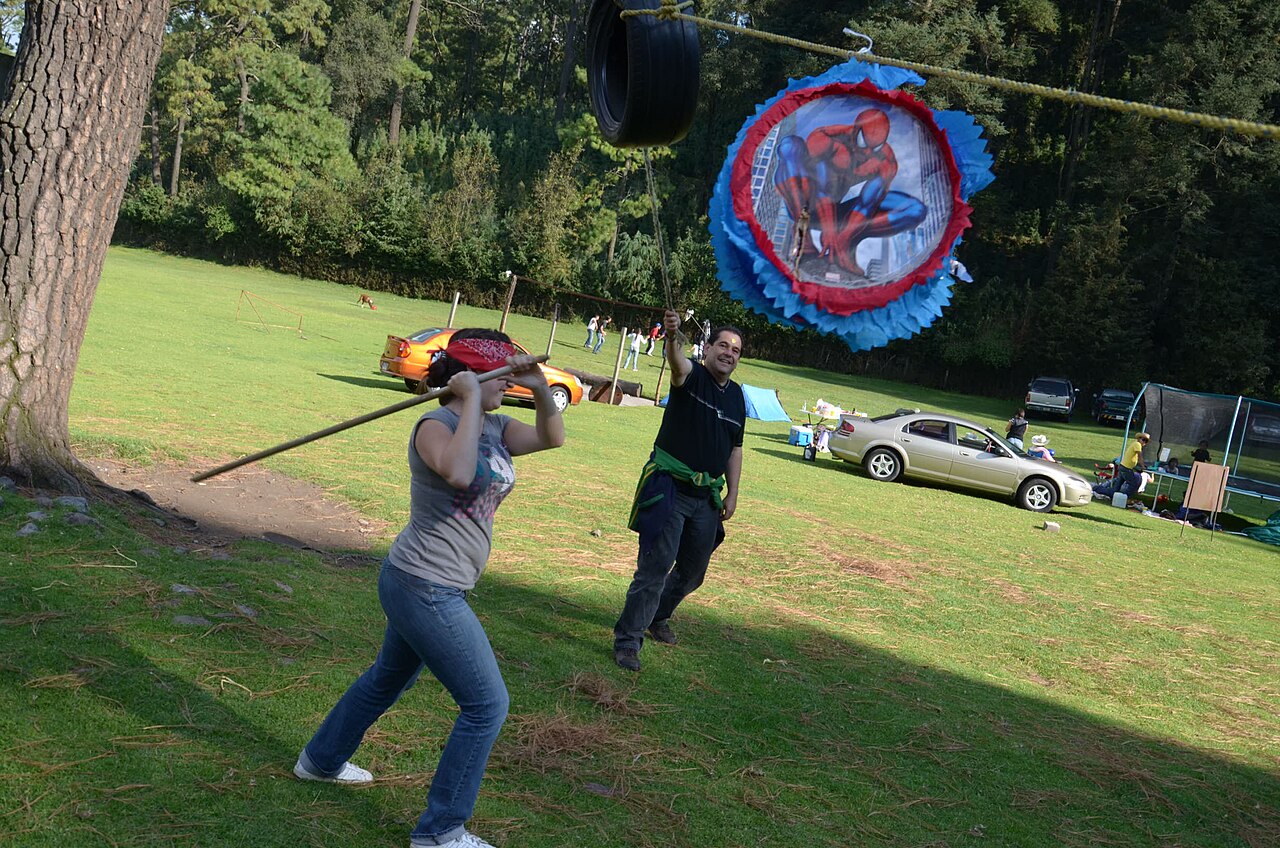
The piñata remains a central element of Mexican culture and has spread to other Latin American countries and the United States. While its religious significance has mostly faded, the ceremony—blindfolding, spinning, and hitting the piñata while singing—persists, especially during Las Posadas and birthday parties. Traditional clay pots have largely been replaced by papier-mâché and cardboard for safety, and designs have become commercialized, featuring cartoon characters like Batman, Superman, and Spider-Man. The art of making piñatas falls under the Mexican craft of 'cartonería,' and contests and workshops, such as those held by the Museo de Arte Popular and Museo del Caracol, aim to preserve the tradition. Towns like Acolman and San Juan de la Puerta specialize in piñata production, with the latter supporting about half its population through the craft. Despite economic downturns causing sales drops of up to thirty percent, the piñata endures as a festive symbol.
Did You Know?
- The Spanish word 'piñata' probably derives from Italian 'pignatta' meaning 'fragile pot,' itself from 'pigna' meaning 'pinecone.'
- The Aztecs honored the birthday of the god Huitzilopochtli in mid-December with a similar tradition involving a decorated clay pot broken with a stick.
- In the Mexican Catholic interpretation, the seven points of a traditional star piñata represent the seven deadly sins.
A Cross-Cultural Odyssey
The story of the piñata stretches across continents and centuries. Its earliest known form appears in China, where a container shaped like a cow or ox was prepared for the New Year. Decorated with symbols and colors intended to coax a favorable growing season, it held five varieties of seeds and was struck with sticks of different hues. Once shattered, the remains were burned and the ashes preserved as a talisman of good fortune. By the fourteenth century, the concept of smashing a vessel brimming with treats had reached Europe, where it became woven into the Christian observance of Lent. In Spain, the First Sunday of Lent earned the nickname Piñata Sunday, celebrated through a ritual called the Dance of the Piñata. The Spanish originally employed a plain clay pot—echoing the Italian word pignatta, meaning earthenware cooking vessel—before adorning it with ribbons, tinsel, and colored paper. When the tradition crossed into Mexico in the sixteenth century, it met indigenous practices of its own: the Maya already blindfolded their participants, and the Aztecs honored the deity Huitzilopochtli by shattering a feather-decorated clay pot whose contents fell as offerings at the idol's feet.
Faith, Sins, and the Seven-Pointed Star
They wove it into the Las Posadas tradition, deliberately overlapping the mid-December celebration of the Aztec deity Huitzilopochtli. The resulting ritual carried dense theological symbolism: the seven points of the star-shaped container stood for the seven deadly sins, the vessel itself embodied evil, and the seasonal fruit and candy within represented the temptations that evil dangles before the faithful. The blindfold on the striker signified faith, while the spinning, singing, and shouting enacted the disorientation that temptation produces. In some local versions, the participant was turned thirty-three times, one for each year of Christ's earthly life. The act of beating the piñata dramatized the soul's struggle against sin, and its shattering—releasing a cascade of sweets—was interpreted by some as the reward for holding fast to faith. Though this catechetical layer has largely faded from modern practice, the symbolic architecture of the seven-pointed form endures as the piñata's most recognizable silhouette.
From Party Favor to Gallery Wall
The piñata's identity as a Mexican craft is enshrined under the heading of cartonería, the art of shaping objects from paper and cardboard, placing it alongside amate paper work, Judas figures, and Mexico City–style alebrijes. The Museo del Caracol in Mexico City has likewise hosted public workshops teaching traditional construction techniques. Twenty-five original papier-mâché works by graphic illustrators from twenty-three countries, including Australia, were displayed.
The Ritual of the Strike
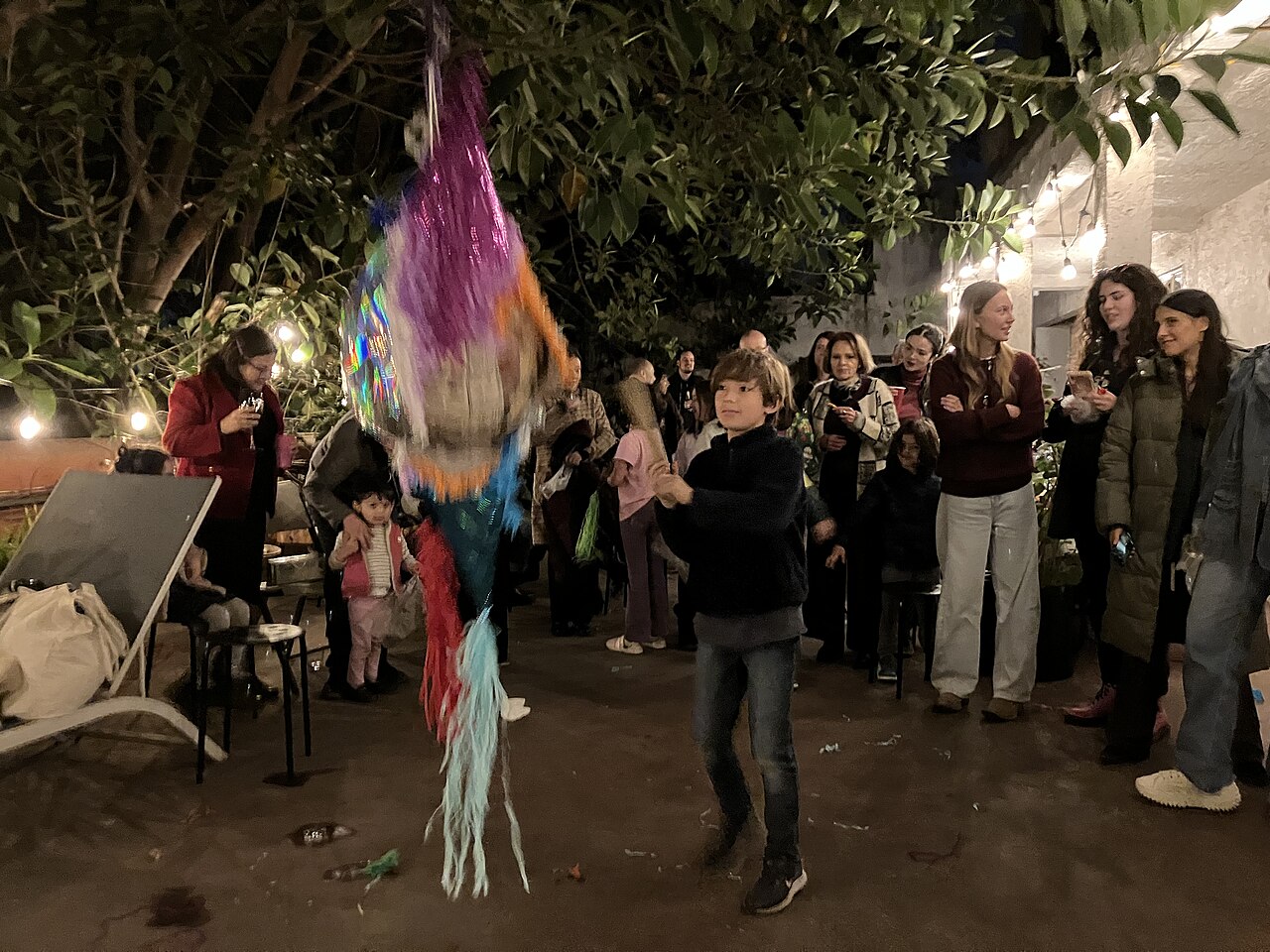
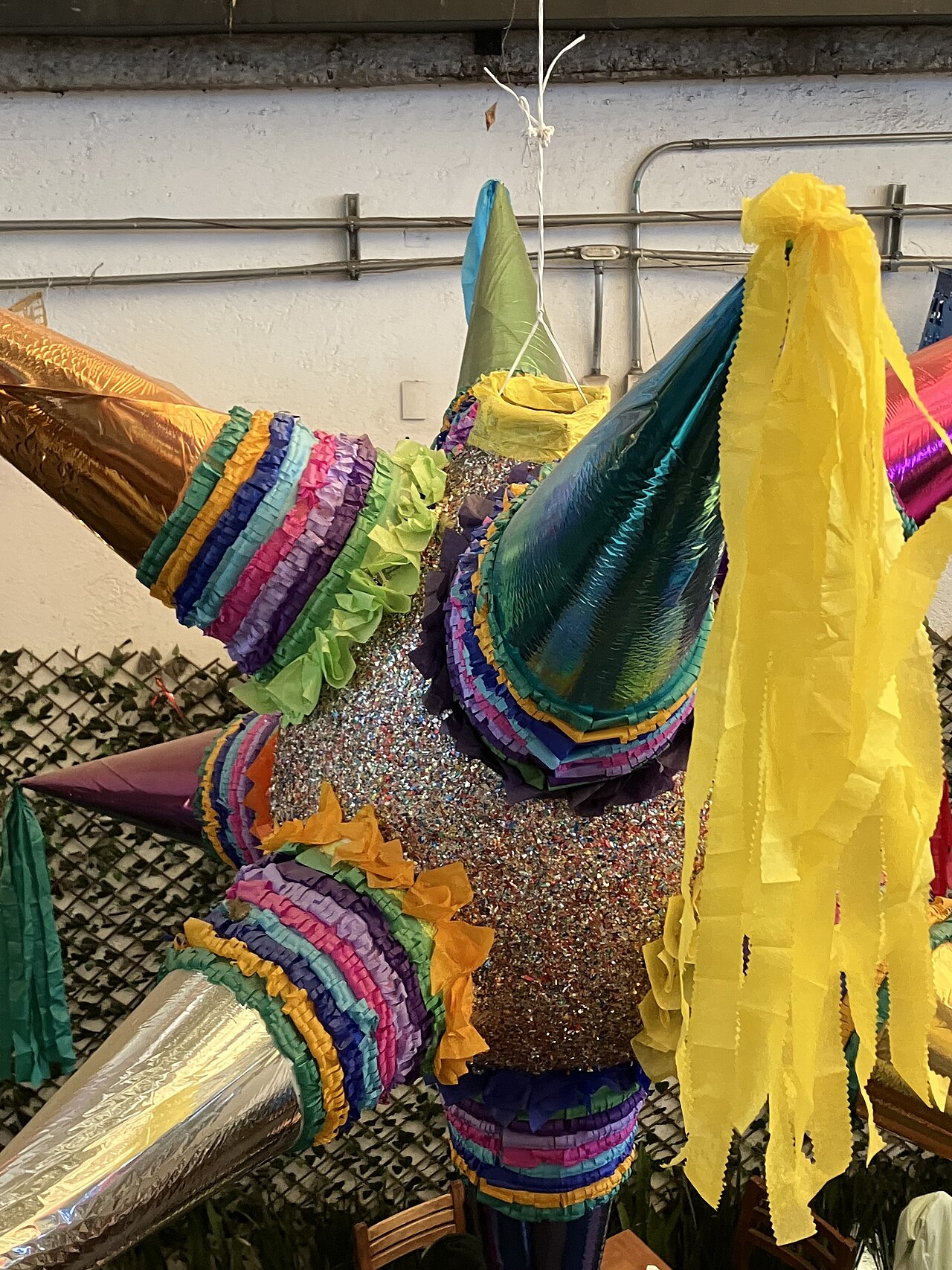
Even as the piñata's religious underpinnings have receded, the choreography surrounding its destruction has remained remarkably stable. The container—now typically fashioned from cardboard and papier-mâché rather than the original clay pot—is suspended from a string overhead. A participant, usually a child, is blindfolded, handed a wooden stick, and spun a set number of times to disorient them. While they swing, a second person shifts the hanging piñata to make contact harder to achieve. Each turn is bounded by a time limit, traditionally marked by the singing of a specific song. The piñata remains most closely associated with the December Las Posadas celebrations, with birthday parties as the second most common occasion. In many communities, artisans still sell the bare clay or cardboard shell, leaving the decoration to the buyer's imagination. The piñata has spread well beyond Mexico, taking root across Latin America and the United States, where it has shed most of its original doctrinal weight yet retains the communal joy of a blindfolded swing and a shower of candy.
Gallery
Frequently Asked Questions
What is a piñata in the context of children's games?
A piñata is a decorated container, typically made from papier-mâché, clay, or cloth, that is filled with treats and then broken open by players as a central activity at celebrations. It functions as both a game and a festive ritual, most commonly seen at birthday parties and seasonal events.
Where did the piñata tradition actually originate?
While the piñata is most strongly associated with Mexico, its earliest roots are debated and often traced back to Chinese New Year customs. The practice later appeared in 14th-century Europe, where it became tied to Christian Lent observances, before the Spanish carried it to the Americas in the 16th century.
What do the seven points on a traditional star-shaped piñata represent?
The classic seven-pointed star design is meant to symbolize the seven deadly sins in Christian tradition. Each time a participant strikes a point, it is said to represent the overcoming of one of those sins, adding a moral layer to what is otherwise a fun children's game.
What do people traditionally put inside a piñata?
Common fillings include candies, fruit, sugar cane, and tejocotes (a type of hawthorn fruit). In some older or regional versions, a clay pot was used as the container, while modern parties more often rely on cardboard or papier-mâché shapes.
More in Children'S Games 1-18
Spotted an error? Know more?
This is a living reference — every entry is fact-audited, and reader corrections feed straight into our audit queue. Suggest an edit · See this site's audit record